
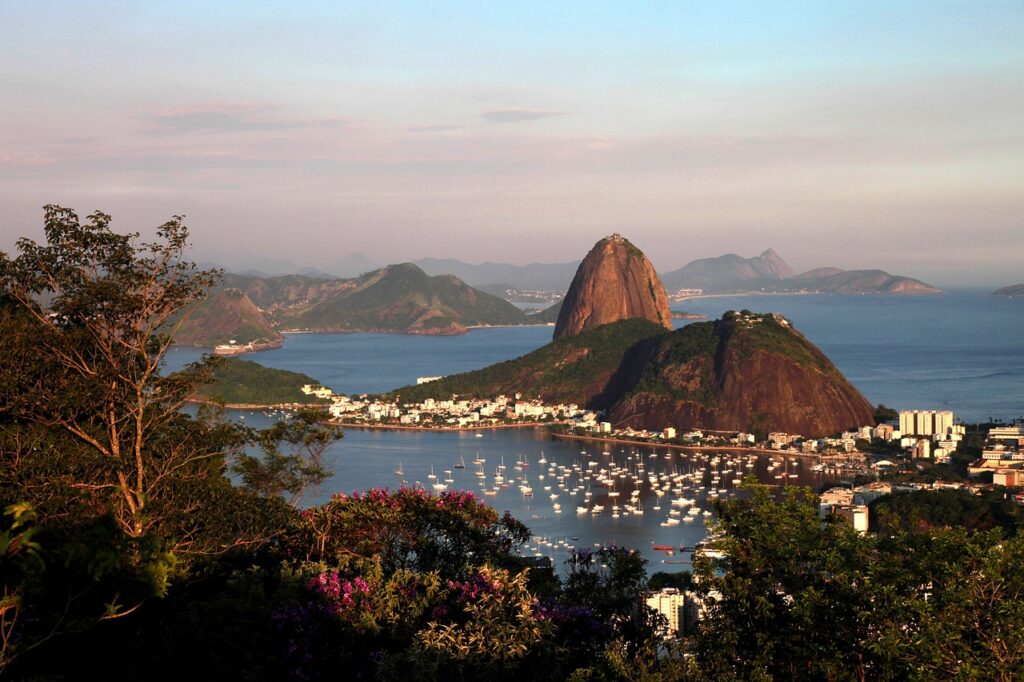
Best Time to Travel to Brazil for Calm, Affordable Luxury—Why May–June & Aug–Sep Win
Brazil is huge, so the best time to travel to Brazil depends on what you want: rainforest, beaches, cities, or wildlife. For a calm, affordable-luxury family trip (Class B+ to A-), the sweet spots are typically May–June and August–September: shoulder seasons with fewer crowds, better rates, and still-good weather. Avoid March if you want to dodge heavier rain in many regions, and skip Brazil’s **school holiday peaks—December, January, and July—**if your goal is quieter beaches and easier bookings.
We’ll break timing down by region, month, and interests—plus how school breaks and rain patterns affect prices and crowd levels. Quick rule of thumb:
- Amazon: go just after the rainy season—rivers are full for epic canoeing and wildlife viewing, but day-to-day rain is easing.
- Beaches (entire coast): pretty much year-round, but avoid January and July (peak crowds/prices) and local rainy windows if you want maximum sun.
- Start Here
- Core Guides (pick your path)
- Tools & Resources
- Plan Your Trip (Mini-Checklist)
- Amazon Rainy Season — What to Know (Simple)
- Rio de Janeiro — Sun, Showers & Big Events
- São Paulo — Urban Culture with Summer Rains
- Northeast Beaches (Most Visited by U.S. Travelers)
- FAQ — Best Time to Travel to Brazil
- Next Steps & Tools
- Join the Newsletter
Start Here
- Overall best months: May–June and August–September for comfortable weather, thinner crowds, and better rates.
- Months to avoid for calm trips: December, January, and July (Brazilian school holidays = peak prices + crowds).
- Rain watch: Avoid March in much of Brazil; it’s one of the wettest months across several regions.
- Amazon: Aim for just after the rainy season—water levels are high (better boat access, flooded-forest scenery), but day-to-day rain is easing.
- Beaches: Year-round is fine, but if you want quiet and deals, skip January (summer peak) and July (winter break), and check each coast segment’s rainy window.
- Family fit (B+ to A-, affordable luxury): Book shoulder seasons and midweek stays; look for rooms with breakfast included and kid-friendly pools.
Where to go next on this page:
- Want region-by-region guidance? Jump to Brazil by Season & Region.
- Planning Amazon specifically? See Amazon Timing: High Water, Less Rain.
- Beach hunters? Head to Beach Timing for north vs south coast tips.
- Crowd-dodging strategy? Read When to Avoid Crowds (School Holidays).
Core Guides (pick your path)
- Brazil by Season & Region (Month-by-Month) — Understand how summer/winter flip below the equator and how rain shifts by latitude. Best shoulder windows: May–June and Aug–Sep for most families. (Start here if you’re undecided.)
- When to Avoid Crowds (School Holidays) — Why Dec, Jan, Jul are the priciest and busiest; how to dodge long-weekend spikes and local festivals; smart booking windows for calm trips.
- Amazon Timing: High Water, Less Rain — Go just after the rainy season so the rivers are full (flooded forest access), but day-to-day rain is easing. Wildlife-spotting tips with kids.
- Beach Timing: Fortaleza to Florianópolis — Coast is year-round; pick months by sun vs. price. If you want quiet, skip Jan & Jul and watch local rainy windows.
- City Breaks: Rio, São Paulo & Beyond — Event calendar vs. weather trade-offs, and how to plan around March showers and holiday peaks for shorter lines and better tables.
Tools & Resources
- Climate data (by city): INMET (Brazil’s National Meteorology) and CPTEC/INPE for seasonal rain and temp norms.
- School calendar pointers: State education secretariats post yearly calendars—look for dez–jan (summer) and julho (winter) breaks.
- Flight search (calm months filter): Use flexible date view to compare May–June and Aug–Sep.
- Holiday/event check: Search “feriados nacionais [year]” to spot long weekends that spike prices.
- Amazon water levels: Local lodge newsletters and river gauge summaries help confirm post-rainy high water timing.
- Beach radar: Check daily “índice de chuva” (chance of rain) the week before you fly.
Plan Your Trip (Mini-Checklist)
- Pick your window: For calm, affordable-luxury family trips, target May–June or Aug–Sep.
- Crowd control: If quiet is the goal, avoid Dec, Jan, and Jul (Brazilian school breaks).
- Rain reality check: Skip March in many regions due to heavier rain.
- Amazon strategy: Go right after the rainy season—rivers full, better boat access, less day-to-day rain.
- Beach game plan: Coast is year-round; skip Jan & Jul if you want lower prices and fewer crowds, and check local rainy windows.
- Flight hunting: Use flexible dates; hold refundable fares 2–3 months out for shoulder seasons.
- Stay picks: Favor kid-friendly pools and breakfast-included rates; compare free-cancellation windows.
- Transfer timing: Book airport pickups to land before sunset when traveling with kids to new cities.
- Activity pacing: Slot outdoor tours early in the day; keep one buffer day per week for rain or rest.
- Festival scan: Search “feriados nacionais [year]” to avoid price spikes on long weekends.
- Packing tips: Light layers, UV shirts, quick-dry shoes, and a compact rain jacket—even in “dry” months.
- Payments: Many places take cards; still carry a little cash for kiosks and beach vendors.
Amazon Rainy Season — What to Know (Simple)
- Where: Central Brazilian Amazon (e.g., Manaus, Rio Negro/Solimões).
- Rainy season: December to May (heaviest Jan–March). Rivers rise with each storm.
- High-water peak: May to July—waterways are full, igapó (flooded forest) is accessible by canoe, and mosquitoes can be fewer due to moving water.
- Drier season: July to November—more hiking on dry trails and exposed beaches (white-sand “praias” on rivers), but some creeks become too shallow for boats.
- Best window for families seeking comfort: Just after the rainy season (roughly May–July). You get dramatic high water and boat access while day-to-day rain eases.
Quick tip: Pack light rain shells year-round; the rainforest can throw a surprise shower even in “dry” months.
Rio de Janeiro — Sun, Showers & Big Events
Weather pattern: Hot, humid summers with short, heavy showers. Rainiest: roughly December–March (peak heat + humidity). Driest/pleasant: April–June and August–October. Coolest: June–August (beach still doable; water a bit cooler).
Best for calm, affordable-luxury family trips: April–June or August–September (shoulder months = nicer rates, fewer lines for Sugarloaf/Christ).
Crowds & price spikes to note:
- New Year’s (Réveillon, Dec 31–Jan 1): massive crowds on Copacabana.
- Carnival (Feb or early Mar): electric atmosphere, but lodging surges.
- School holidays (Dec, Jan, Jul): beaches fill up; book far ahead.
- Rock in Rio (some Sept years): hotel demand jumps.
Quick picks (families, B+ to A-):
- Stay near Ipanema/Leblon for calmer vibe, beach play, and easy dining.
- Book AM slots for Christ the Redeemer and Sugarloaf; keep a buffer day in case of clouds.
- Pack a light rain jacket even in “dry” months; summer storms are fast but intense.
São Paulo — Urban Culture with Summer Rains

Weather pattern: Subtropical. Rainiest/warmest: November–March (frequent afternoon storms; hot). Drier/cooler: April–September (mild temps; great for walking museums/parks). Coolest: June–August (bring a light layer at night).
Best for calm, value-forward city stays: April–June and August–September (fewer storms, strong restaurant scene, easier reservations).
Crowds & price spikes to note:
- School holidays (Dec, Jan, Jul) = family travel peaks.
- F1 Grand Prix (usually Nov) = hotel demand near Interlagos and central areas.
- Major trade shows/conferences can spike weekday rates—check your dates.
Quick picks (families, B+ to A-):
- Base in Jardins or Itaim Bibi for walkable dining and parks; consider suites with breakfast.
- Do outdoor attractions (e.g., Ibirapuera Park) in the morning; save MASP/Pinacoteca for rainy spells.
- Use rideshare for cross-city hops; traffic eases on weekends and holidays.
Northeast Beaches (Most Visited by U.S. Travelers)
Overall: The Northeast is beachable year-round. For the sunniest odds, avoid each state’s rain peak and steer clear of January and July if you want quieter sand and better rates.
By hotspot (simple guide):
Fortaleza & Jericoacoara (Ceará)
- Rainiest: February–May (peak March–April).
- Best sun odds: June–January (kite season brings wind in Aug–Nov).
- Why go: Iconic dunes, buggy rides, sunsets.
- Family tip: Jeri’s sandy streets = stroller-challenging; consider a baby carrier.
Recife & Porto de Galinhas (Pernambuco)
- Rainiest: April–August (peak June–July).
- Best sun odds: September–March (watch January crowds/prices).
- Why go: Reef pools for kid-friendly snorkeling at low tide.
- Family tip: Check tide charts—the pools are shallowest and clearest at low tide.
Salvador & Praia do Forte (Bahia)
- Rainiest: April–July (peak May–June).
- Best sun odds: August–March (avoid January if you want calm).
- Why go: Culture + coconut-lined beaches; sea turtle project in Praia do Forte.
- Family tip: Look for resorts with kids clubs and shaded pools.

Natal & Pipa (Rio Grande do Norte)
- Rainiest: March–July (peak April–June).
- Best sun odds: August–February (trade winds keep it pleasant).
- Why go: Dune buggies, dolphin spotting near Pipa.
- Family tip: Many beaches have stronger currents—favor lifeguarded, protected coves.
Booking & budget notes (affordable luxury):
- Shoulder months (Aug–Sep and May–June) often land better rates on suites with breakfast.
- Reserve sea-view rooms midweek; add a refundable rate if traveling in the wetter shoulder.
- Always scan for feriados (national holidays) around your dates—they can fill up resorts fast.
FAQ — Best Time to Travel to Brazil
1) When is the rainy season in the Brazilian Amazon?
In central Amazon areas like Manaus, it’s December–May (heaviest Jan–Mar). Rivers usually peak around May–July, opening flooded forests to boats.
2) What’s the best family window for the Amazon?
Go just after the rainy season—roughly May–July. You’ll get high rivers and canoe access while day-to-day rain eases.
3) Which months should I avoid for crowds and high prices?
December, January, and July (Brazilian school holidays). Also expect spikes for New Year’s, Carnival (Feb/early Mar), and big events like Rock in Rio or the São Paulo F1.
4) Is March a bad month for weather?
Often yes—March is among the wetter months in many regions. If you want drier odds, target May–June or August–September.
5) Are Brazil’s beaches good year-round?
Yes—year-round is fine. For calmer, better-value trips, skip January and July and check each area’s rainy window (e.g., Recife/Salvador rain more in Apr–Jul).
6) Best time for Rio de Janeiro?
April–June and August–October for pleasant weather and fewer showers. Dec–Mar brings heat, humidity, and summer storms—plus huge crowds at New Year’s and Carnival.
7) Best time for São Paulo?
April–June and August–September (mild, drier). Nov–Mar is rainier with frequent afternoon storms.
8) Best time for Northeast favorites (for U.S. visitors)?
- Fortaleza/Jericoacoara: Drier Jun–Jan; rainier Feb–May.
- Recife/Porto de Galinhas: Sunniest Sep–Mar; rainier Apr–Aug.
- Salvador/Praia do Forte: Sunniest Aug–Mar; rainier Apr–Jul.
- Natal/Pipa: Sunniest Aug–Feb; rainier Mar–Jul.
Avoid Jan & Jul for quieter beaches and friendlier prices.
Next Steps & Tools
- Cheap Flights, Smarter: /best-websites-to-find-cheap-flights-in-2025/
- Fly Business for Less: /✈️-fly-business-for-less/
- Beginner Rewards Cards Guide (2025): /best-cards-to-earn-travel-rewards-in-2025-an-easy-beginners-guide/
- Miles & Points Hub: /💳-credit-cards-miles/
- Destination Guides Index: /📍-destination-guides/
Join the Newsletter
Get smarter travel for less—Brazil timing, mistake-proof itineraries, and deal alerts.
1–2 emails/month. No spam. Unsubscribe anytime.